Wood
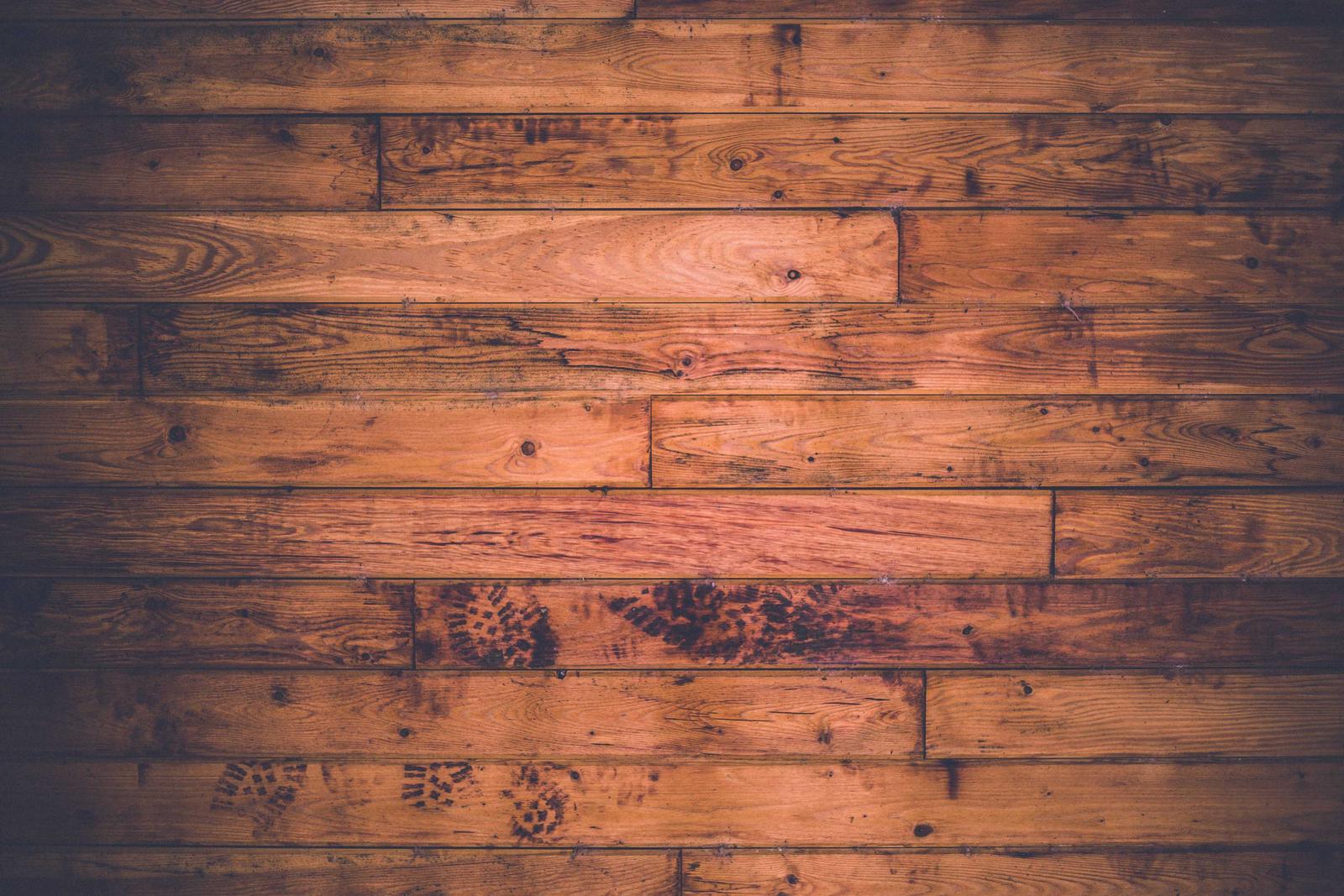
Eleven species in the rack at any given time, most of them milled within 60 miles. Hover or focus a name to see a reference photograph of that tone and grain.




Janka 1,450 lbf · Rack no. 01
Hard maple
Tight, pale, almost no figure. Our default for drawer boxes and for kitchens that should look clean. Ambers slowly over a decade.
Reference photographs show tone and surface only. They are not samples of the named species. Ask for a real board at the showroom; offcuts are in the front drawer.
Sourcing
Mill: Vergennes, VT
Air-dried: 12 months
Kiln: to 6–8% moisture
Every board spends a year outdoors before it comes near a machine.
Our hardwood comes from a family sawmill in Vergennes. Logs are cut from woodlots within about an hour of the mill, sawn to our thickness list, and stacked under a roof with stickers between every layer. Air-drying runs about a year per inch of thickness. Then the boards go through the kiln to six to eight percent moisture, which is where a heated Vermont house will hold them.
Once they reach our rack they sit for another two weeks before milling. We lose a third to a half of every board to knots, checks and sapwood. Clients see the finished doors; we see the offcut bin, which is why the price per board foot looks the way it does.
| Air-dry | 12 months per inch of thickness, under cover |
|---|---|
| Kiln | To 6–8% moisture, then two weeks in our rack |
| Yield | 50 to 65% of each board becomes parts |
| Reclaimed | Used for repair work only, matched to the house |
Finishes
Three finishes, picked for the room
Kitchens and mudrooms
Waterborne conversion varnish
Four coats, sanded between each. Tough against water and hot pans, and low odour in the shop and your house. Satin is the default; gloss on request.
Libraries and furniture
Waterborne lacquer, rubbed out
Three coats, then rubbed with fine abrasive and wax. Feels like wood, not plastic, and can be touched up on site.
Period work
Shellac and wax
For stairs and rooms where the original finish survives somewhere else in the house. Needs more care and repairs beautifully.
Care
Keeping it for a hundred years
Wipe, do not soak
A barely damp cloth, dried right after. Keep cleaners without ammonia or silicone near the doors.
Watch the humidity
Solid wood moves. Between 35 and 55 percent indoors it moves very little. In February a door may gap a hair; it will close again by May.
Hot pans and wet glasses
The finish handles brief heat and spills. It does not handle a pot left to cool on the counter or a wet glass overnight.
Light changes colour
Cherry darkens, maple ambers, walnut lightens. Move a bowl and you will see the shadow it left. Rotate objects every few months.
Drawers are meant to be used
A drop of beeswax on the runners once a year. If a drawer sticks in summer, ring us before planing it.
We come back
We visit every installed job at six weeks and again at one year, free, to adjust doors and check for movement.